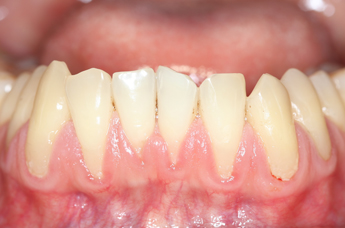
Bleeding gums are a common concern and one that is often dismissed as insignificant. Many people notice blood when brushing or flossing and assume it is caused by brushing too hard or using the wrong toothbrush. While this can sometimes be a contributing factor, bleeding gums are more often a sign that something is not quite right with gum health.
Understanding why your gums are bleeding, how to stop bleeding gums, and when to seek professional care is essential for protecting your oral health. Left untreated, the underlying causes of bleeding gums can progress and lead to more serious dental problems, including gum disease and tooth loss.
Why Are My Gums Bleeding?
Healthy gums should not bleed during normal brushing or flossing. Bleeding is usually a sign of inflammation, most commonly caused by plaque build-up around the gumline.
Plaque is a soft, sticky film of bacteria that forms continuously on the teeth. When plaque is not removed effectively, bacteria release toxins that irritate the gums, triggering inflammation. This early stage of gum disease is known as gingivitis. Gingivitis is often painless, which means bleeding gums may be the first and only noticeable sign.
Other factors can also contribute to bleeding gums, either by increasing inflammation or reducing the body’s ability to fight infection.
Common Causes of Bleeding Gums
Plaque Build-Up and Gingivitis
The most common cause of bleeding gums is plaque accumulation along the gumline. As plaque builds up, the gums become red, swollen and more likely to bleed when disturbed by brushing or flossing. If plaque is not removed regularly, it can harden into tartar, which cannot be removed at home and continues to irritate the gums.
Gum Disease (Periodontitis)
If gingivitis is left untreated, it can progress into periodontitis. At this stage, the inflammation extends deeper, affecting the bone and tissues that support the teeth. Bleeding may become more frequent and severe, and symptoms such as bad breath, gum recession and tenderness may develop. Periodontitis requires professional treatment to stabilise and manage the condition.
Brushing and Cleaning Habits
Infrequent brushing or inconsistent cleaning in between the teeth (flossing or interdental brushing) allows plaque to build up, increasing the likelihood of bleeding.
Brushing too aggressively or using a hard-bristled toothbrush can also traumatise the gums, especially if inflammation is already present.
What Deficiency Causes Bleeding Gums?
Nutritional deficiencies can play a role in gum health. A lack of vitamin C is the most well-known deficiency associated with bleeding gums, as vitamin C is essential for healthy connective tissue and wound healing. Low levels can make gums more prone to inflammation and bleeding. This is rare in modern society with a balanced diet.
Vitamin K deficiency may also contribute, as it plays a role in blood clotting. Iron deficiency can reduce the body’s ability to repair tissues and fight infection, which may worsen gum inflammation. A balanced diet is an important part of maintaining healthy gums.
Hormonal Changes and Medical Factors
Hormonal fluctuations during pregnancy, menopause or puberty can make gums more sensitive and prone to bleeding. Certain medications, including blood thinners and some heart medications, can increase the likelihood of bleeding, while medical conditions such as diabetes can impair healing and increase susceptibility to gum disease.
How to Stop Bleeding Gums
Stopping bleeding gums involves addressing the underlying cause rather than simply masking the symptom. In most cases, improving plaque control is the most effective approach.
Improve Daily Oral Hygiene
Effective plaque removal is the foundation of gum health.
Brush twice daily using a soft-bristled or electric toothbrush with a fluoride toothpaste. Focus carefully along the gumline, where plaque tends to accumulate. Brushing should be thorough but gentle, avoiding excessive pressure.
Clean between the teeth daily using floss or interdental brushes. This removes plaque from areas that a toothbrush cannot reach and is essential for reducing gum inflammation. If gums bleed when you first start cleaning between the teeth, continue gently and consistently. Bleeding often reduces within a few days as inflammation settles.
Use the Right Products
An alcohol-free antibacterial mouthwash can help reduce bacterial levels in the mouth. Mouthwash is often recommended before brushing, so the fluoride from toothpaste is not rinsed away afterwards. Some medicated mouthwashes may be advised for short-term use under professional guidance if inflammation is significant.
Address Diet and Deficiencies
Ensuring adequate intake of vitamin C, vitamin K and iron supports gum health and healing. Fresh fruits, vegetables, leafy greens and lean proteins all contribute to healthier gums. If deficiencies are suspected, medical advice should be sought.
How to Stop Gums Bleeding Immediately
If gums are actively bleeding, rinse gently with cool water to remove debris. Applying gentle pressure with clean gauze can help control bleeding. Avoid vigorous brushing until bleeding subsides, but do not stop cleaning altogether. Persistent or spontaneous bleeding should always be assessed by a dental professional.
How Plaque Control Supports Healthy Gums
Bleeding gums and plaque are closely linked. The same plaque bacteria responsible for tooth decay are also responsible for gum inflammation. Effective plaque control is therefore essential not only for preventing cavities but also for stopping bleeding gums.
Plaque begins to reform within hours of brushing. If it is not disrupted daily, inflammation can return quickly. This is why consistent oral hygiene at home must be supported by regular professional care.
Bleeding gums are a common sign of gum disease and should not be ignored. Early treatment and good oral hygiene can prevent progression and restore gum health.
Professional Treatment for Bleeding Gums
When plaque hardens into tartar, it can no longer be removed with brushing or flossing alone. Tartar continues to irritate the gums and provides a rough surface for further plaque build-up, perpetuating bleeding and inflammation.
Professional Cleaning with a Dental Hygienist
An appointment with a professional hygienist removes both soft plaque and hardened tartar from above and below the gumline. At 38 Devonshire Street, this is often carried out using Guided Biofilm Therapy. This advanced approach enables precise, gentle removal of plaque and tartar while minimising discomfort.
By thoroughly cleaning the teeth and gums, inflammation is reduced, and the gums are allowed to heal. Many patients notice a significant reduction in bleeding within days of professional cleaning combined with improved home care.
Ongoing Monitoring and Support
Regular hygiene appointments are essential for maintaining gum health, particularly for patients who have experienced bleeding gums or gum disease. Your hygienist will monitor gum condition, assess plaque levels and provide tailored advice to help prevent recurrence.
The Oral Health Foundation highlights that gum disease is largely preventable with effective plaque control and professional support.
When to See a Dentist
Occasional bleeding may settle with improved cleaning, but persistent or worsening symptoms should not be ignored. Professional assessment is important if:
- Bleeding continues for more than a week despite good oral hygiene
- Gums are swollen, painful or receding
- There is persistent bad breath or a bad taste
- Teeth feel loose or sensitive
These signs may indicate more advanced gum disease or a deeper problem that requires targeted treatment.
38 Devonshire Street’s clinical team can assess the health of your gums, identify the cause of bleeding and provide a personalised treatment plan. Early intervention is key to preventing long-term damage.
The Importance of Treating Bleeding Gums Early
Bleeding gums are often the earliest warning sign of gum disease. Addressing the problem early makes treatment simpler, more comfortable and more effective. When inflammation is allowed to persist, the damage can extend beyond the gums to the bone supporting the teeth, leading to irreversible changes.
Healthy gums do not bleed. With effective plaque control, appropriate professional care and attention to contributing factors such as diet and general health, bleeding gums can often be resolved and prevented from returning.
If you are concerned about bleeding gums or have noticed changes in your gum health, booking a professional assessment is an important step toward protecting your teeth and your long-term oral health.
Back to treatments