Menopause brings about significant hormonal changes, particularly a decline in oestrogen and progesterone levels, which can impact various aspects of health, including oral health. Understanding how menopause affects the teeth and gums is crucial for maintaining optimal oral health during this life stage.
Oestrogen and progesterone play a vital role in maintaining the health of oral tissues. During menopause, a sharp decline in these hormones can affect the integrity of the mouth’s soft tissues and the bone structures supporting the teeth. As a result, menopausal women may experience a cascade of oral health issues if left unmanaged.
Common consequences of hormonal changes include:
– Reduced saliva production, causing dry mouth (xerostomia).
– Increased risk of gum disease due to inflammation and receding gums.
– Loss of bone density in the jaw, which can destabilise teeth.
– Heightened tooth sensitivity to temperature and certain foods.
– Changes in taste perception, often reported as metallic or bitter tastes.
– Burning mouth syndrome, a persistent burning sensation affecting the tongue, lips, or entire mouth.
These changes highlight the importance of proactive, targeted dental care during and after menopause.

Dry mouth is one of the most prevalent oral complaints among menopausal women. It is primarily caused by decreased salivary gland activity, which is influenced by lower oestrogen levels. Saliva is crucial for neutralising acids, washing away food particles, and preventing bacterial overgrowth.
If unmanaged, dry mouth can lead to:
– Tooth decay and gum irritation.
– Chronic bad breath.
– Difficulty swallowing.
Management strategies include:
– Staying hydrated by drinking small sips of water throughout the day and consistently consuming between 1.5 and 2 litres of still water each day.
– Chewing sugar-free gum to stimulate natural saliva production.
– Avoiding alcohol, caffeine, and tobacco, which can worsen dryness.
– Using over-the-counter saliva substitutes or sprays as advised by a dentist.
– Additionally, regular dental check-ups can help monitor oral hydration and ensure any arising issues are promptly addressed.
Hormonal changes can weaken the immune response, making the gums more prone to plaque-induced inflammation. This can escalate from gingivitis (early-stage gum disease) to periodontitis (advanced gum disease) if not addressed.
Signs to watch for include:
– Red, swollen, or bleeding gums.
– Persistent bad breath.
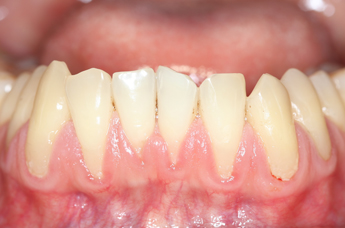
– Receding gums that expose the tooth root.
– Loosening or shifting teeth.
– Routine dental assessments are essential to monitor gum health, and timely interventions such as scaling and deep cleaning of the teeth can significantly slow or halt disease progression. In some cases, your dentist may recommend a referral to a periodontist for specialist care. Regular visits to the dental hygienist help protect against these risks.
Menopause-related osteoporosis can affect the jawbone, particularly the bone supporting the teeth. As bone density decreases, the risk of tooth mobility and loss increases. Dental imaging can help detect changes in jawbone structure early.
To maintain bone health:
– Ensure an adequate intake of calcium (1,200 mg per day for postmenopausal women).
– Supplement with vitamin D.
– Engage in regular weight-bearing and resistance exercises.
– Discuss bone density screenings with your GP, particularly if there is a family history of osteoporosis.
Taking these steps helps preserve both general skeletal and oral health.
Women may notice an increase in tooth sensitivity during perimenopause and menopause. This could stem from enamel wear, gum recession, or thinning oral mucosa. Simultaneously, changes in jawbone density can cause teeth to shift.
Symptoms may include:
– Discomfort when consuming hot, cold, or sweet foods and drinks.
– A sensation of loose teeth or an uneven bite.
– Using desensitising toothpaste, avoiding sugary or acidic foods, and consulting with a dentist regarding bite alignment can help alleviate these issues. In some cases, custom-fitted night guards. may be recommended to reduce pressure from clenching or grinding.
A disciplined oral hygiene routine is non-negotiable. As hormonal shifts can compromise the body’s natural defences, maintaining clean teeth and gums becomes paramount.
Recommended practices include:
– Brushing twice daily with fluoride desensitising toothpaste.
– Using a soft-bristled toothbrush to avoid irritating sensitive gums.
– Flossing twice per day to remove debris and plaque between teeth.
– Using an antimicrobial mouthwash if recommended by a dental professional.
– Routine dental check-ups and visits to the dental hygienist (every 6 months or as advised) allow for early detection of problems and timely preventive care. Some women may benefit from more frequent hygienist appointments (every 2-3 months) to manage plaque buildup and monitor gum changes.
Dry mouth not only causes discomfort but also affects overall oral function and the prevention of disease. If left untreated, it may accelerate tooth decay and increase the likelihood of oral infections. Saliva is very important in the natural defence system of the mouth. It not only hydrates and neutralises acids but also contains many important antibodies and other protective factors.
Helpful habits include:
– Limiting spicy, salty, and dry foods, which may worsen symptoms.
– Using sugar-free lozenges or mints to stimulate saliva flow.
– Sleeping with a humidifier to moisten the indoor air (this is particularly important in the winter when the central heating is on and the air outside is cold and dry).
– For persistent cases, prescription medications such as pilocarpine may be considered under medical professional guidance. Regular hydration and oral moisturisers can provide ongoing relief and improve comfort.
Research indicates that hormone replacement therapy might offer benefits beyond relieving hot flushes and mood swings. Some studies suggest that HRT could help reduce the incidence of tooth loss and gum disease in postmenopausal women. HRT is protective of bone density in menopausal women. However, its use must be weighed carefully, considering individual health profiles and risk factors.
Always consult your GP or gynaecologist to determine if HRT is appropriate and safe for you. Collaborative care between medical and dental teams can enhance treatment outcomes.
Teeth may begin to drift subtly during and after menopause. This is often due to changes in the periodontal ligament and supporting bone structure. Misaligned teeth can increase the risk of decay, gum disease or fracture and make cleaning more difficult.
If you notice changes such as:
– New gaps between teeth.
– Overlapping or crowding.
– Discomfort when biting down.
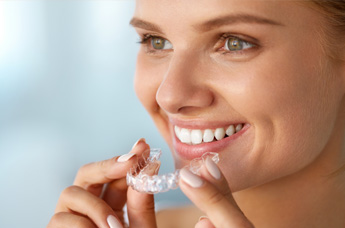
An orthodontic consultation may be worthwhile to explore corrective options like clear aligners or retainers. Addressing these changes early can prevent long-term dental complications.
I-Tero scans of the teeth are very helpful in monitoring the positions of the teeth and any gum recession over an extended period.
Diet plays a crucial role in supporting oral and overall health during menopause. Certain nutrients directly impact bone density and oral tissue resilience.
Important dietary elements include:
– Calcium-rich foods: milk, cheese, sardines, kale, and broccoli.
– Vitamin D sources: oily fish, egg yolks, and responsible sun exposure.
– Phytoestrogens: naturally occurring plant compounds in soy, lentils, and chickpeas, which may offer mild oestrogen-like benefits.
– High protein diet: to maintain lean muscle mass and support good bone density.
In addition:
– Avoid frequent snacking on sugary foods and drinks.
– Refrain from smoking, which can worsen gum recession and slow healing.
– Limit alcohol intake, as it may contribute to dry mouth and bone loss.
– Incorporate antioxidant-rich foods such as berries, green tea, and leafy greens to support tissue repair and immune function.

Women experiencing peri-menopause or menopause may benefit from more frequent dental visits. Preventive care is essential in detecting subtle changes before they become complex issues.
At 38 Devonshire Street, we offer tailored dental support to address the evolving needs of women in midlife. From periodontal assessments to minimally invasive treatments for sensitivity, our approach is built on prevention and precision.
We also provide personalised advice on oral hygiene tools, dietary support, and cosmetic enhancements to keep your smile healthy and confident.
Menopause can significantly impact oral health, leading to many challenges such as dry mouth, gum disease, tooth sensitivity, and bone loss. However, with the right knowledge and care, these issues can be effectively managed, significantly reduced or even prevented.
Women are encouraged to maintain strong oral hygiene habits, attend regular dental visits, and make informed lifestyle choices. Collaborative care involving dental professionals and general healthcare providers is key to navigating this transitional period with confidence.
To support your long-term dental health, the team at 38 Devonshire Street is here to provide expert, compassionate care tailored to your unique needs. Book a consultation today and invest in a healthy, confident smile that endures well beyond menopause.
Back to treatments