Good oral health is rarely the result of dramatic intervention.
More often, it is the quiet accumulation of small daily habits repeated consistently over many years. Effective mouth hygiene is not simply about keeping teeth clean; it is about maintaining a stable and healthy environment in which teeth and gums can remain resilient long term.
When that balance is maintained well, dentistry becomes calmer, less invasive and far more predictable.
Mouth hygiene refers to the daily practices that reduce plaque accumulation and support the health of the teeth, gums and surrounding tissues.
Plaque is a naturally forming bacterial biofilm that develops continuously on the teeth. Left undisturbed, it can trigger inflammation in the gums and contribute to tooth decay, gum disease and bad breath.
The goal of oral hygiene is therefore not sterility, which would be impossible, but balance: keeping the bacterial environment within healthy limits.
Tooth decay develops when plaque bacteria metabolise sugars and produce acids that gradually dissolve enamel.
Importantly, decay is usually a slow process rather than a sudden event. Small daily exposures, frequent sugary snacks, acidic drinks or ineffective plaque removal accumulate over time. Preventive care works in the same cumulative way, but in the opposite direction.
Healthy gums provide the biological foundation that supports the teeth throughout life.
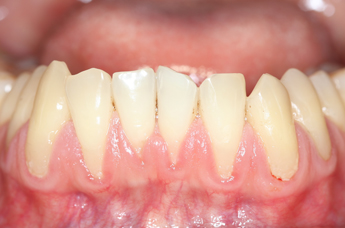
When plaque accumulates along the gumline, the gums become inflamed and may begin to bleed. This is the early stage of gum disease known as gingivitis. Left untreated, this inflammation can progress more deeply, eventually affecting the supporting bone around the teeth.
One of the challenges with gum disease is that it is often surprisingly silent in its early stages, which is why consistent maintenance matters so much.
The mouth is not isolated from the rest of the body.
A healthy oral environment contributes to overall well-being, comfort and confidence, while chronic inflammation within the mouth can have wider implications for general health and quality of life.
Brushing twice daily with fluoride toothpaste remains one of the simplest and most effective preventive measures in dentistry.
Technique matters as much as frequency. Many patients are surprised to learn that brushing harder does not clean better and may, in fact, contribute to enamel wear and gum recession over time.
Electric toothbrushes can be particularly effective in helping patients maintain a consistent and gentle cleaning routine.
Even excellent brushing leaves areas untouched between the teeth. Daily interdental cleaning using floss or interdental brushes helps remove plaque from these spaces and plays a significant role in maintaining gum health.
For many adults, improving interdental cleaning habits produces one of the greatest long-term benefits to oral health.
Fluoride strengthens enamel and increases its resistance to acid attack. Used consistently through toothpaste and occasionally through professional applications where appropriate, fluoride remains one of the most important preventive tools available in modern dentistry.
It is not only what we eat, but how often. Frequent exposure to sugars and acids creates repeated periods of acid attack on the teeth. Allowing time between meals and drinks allows the mouth to recover naturally.
Often, relatively small dietary adjustments can make a significant difference over time.
Even patients with excellent home care will gradually accumulate hardened plaque deposits (tartar) that cannot be removed with normal brushing alone.
Professional hygiene appointments help maintain gum health, reduce inflammation and allow early identification of any developing issues before they become more complex.
Preventive dentistry is almost always simpler, less invasive and more cost-effective than corrective treatment later on.
Bleeding gums, persistent bad breath, tooth sensitivity or visible plaque buildup are all signs worth assessing professionally.
Early intervention is one of the most valuable aspects of modern preventive care. Many dental problems develop gradually and silently long before discomfort appears.
At 38 Devonshire Street, we place significant emphasis on prevention, long-term stability and helping patients maintain healthy teeth and gums for as long as possible.
Perhaps the most important thing to understand about oral hygiene is that its effects are cumulative.
The mouth reflects patterns repeated over years rather than days. Small habits, good or bad, slowly shape the long-term health of teeth and gums.
Consistent preventive care, supported by thoughtful professional guidance, remains one of the most effective ways to preserve not only oral health, but comfort, confidence and quality of life over time.
Back to treatments