Most people experience tooth sensitivity at some point in their lives.
For some, it is occasional and fleeting: a brief sharpness when drinking cold water or eating something sweet. For others, it becomes a more persistent irritation that gradually alters daily habits, avoiding certain foods, favouring one side of the mouth or hesitating before that first sip of coffee.
Although sensitivity is common, it should never simply be dismissed as “one of those things”. Sensitive teeth are often signalling that something in the delicate balance between enamel, gums and bite function has changed.
What Is Tooth Sensitivity?
Tooth sensitivity, often referred to clinically as dentine hypersensitivity, occurs when the protective outer layers of the tooth become reduced or compromised, exposing the underlying dentine.
Dentine contains thousands of microscopic tubules that communicate directly with the nerve of the tooth. Once exposed, everyday stimuli such as cold temperatures, sweet foods, acidic drinks or even cold air can trigger the characteristic short, sharp sensation patients recognise so immediately.
While the pain is usually brief, persistent sensitivity is often an indication that the tooth or surrounding gum tissue requires attention.
Common Causes of Sensitive Teeth
Enamel Wear
Enamel is remarkably strong, but not indestructible. Over time, it can gradually thin through a combination of acidic foods and drinks, tooth grinding, overly aggressive brushing or simple long-term wear.
Modern diets, particularly those containing sparkling water, citrus, wine and sports drinks, can contribute more than many people realise.
As enamel becomes thinner, the tooth loses some of its natural insulation, and sensitivity becomes more likely.
Gum Recession
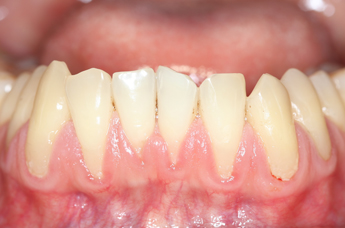
Healthy gums protect the roots of the teeth. When gums recede, the root surface becomes exposed.
Unlike the crown of the tooth, root surfaces are not covered by thick enamel, making them significantly more vulnerable to sensitivity. Gum recession may occur gradually with age, but it can also be associated with brushing technique, bite pressure or gum disease.
Plaque Build Up and Gum Disease
Plaque accumulation around the gumline can lead to inflammation and periodontal disease. As the gums become inflamed, they may begin to pull away from the teeth, exposing more sensitive areas.
This is one reason why tooth sensitivity and gum health are often closely linked.
Tooth Decay, Cracks or Failing Restorations
Sometimes sensitivity is the tooth’s early warning system.
Decay, tiny fractures, leaking fillings or worn restorations can expose the inner structure of the tooth. In these situations, the symptoms are often more localised and persistent, and professional assessment becomes particularly important.
Teeth Grinding and Clenching
Many patients who experience tooth sensitivity also show signs of grinding or clenching, often occurring unconsciously during sleep.
Over time, this repeated pressure can wear enamel away mechanically and place considerable stress on teeth, especially around the gumline.
Interestingly, sensitivity is often one of the first signs patients notice before they become aware of the grinding itself.
How Tooth Sensitivity Is Treated
The most effective treatment always begins with identifying the underlying cause.
Optimising Daily Oral Hygiene
Good plaque control remains fundamental. Gentle but thorough brushing twice daily with fluoride toothpaste, combined with interdental cleaning, helps protect both enamel and gum health.
Importantly, effective brushing is not the same as forceful brushing. In fact, many patients with sensitivity are unknowingly brushing too hard.
Desensitising Toothpaste
Toothpastes formulated for sensitive teeth can be very effective when used consistently over time. They work by helping to reduce fluid movement within the dentinal tubules, thereby calming the nerve response.
Results are often gradual rather than immediate, requiring regular use over several weeks.
Professional Preventive Treatment
Where sensitivity persists, professional treatment may help significantly. Depending on the cause, this may include fluoride applications, protective sealants, bite management or treatment of gum disease.
Occasionally, sensitivity can indicate a tooth that requires restorative care, such as replacement fillings or further protective treatment.
When to Seek Professional Advice
Persistent tooth sensitivity should not simply be ignored or endlessly “managed around”.
If symptoms are becoming more frequent, more intense, associated with biting pressure or localised to one specific tooth, an assessment is sensible. Many causes of sensitivity are far easier to treat when identified early.
At 38 Devonshire Street, we often find that understanding why a tooth has become sensitive is just as important as treating the symptom itself.
Long Term Protection
The long-term management of sensitive teeth usually depends on preserving the health of both enamel and gums.
Consistent preventive care, professional maintenance, attention to bite forces and thoughtful oral hygiene habits all contribute to keeping teeth comfortable and resilient over time.
With the right approach, tooth sensitivity can very often be improved substantially and in many cases resolved altogether.
Back to treatments