Donald J. Cunningham
15:59 11 May 26
I have been attending this practice for nearly two years, at the introduction of a dear friend. The team are highly professional and the service is top-drawer. Having previously seen a cosmetic dentist in NYC for many years prior, it was challenging to find a comfortable replacement, and the team at 38 Devonshire have more than suitably fit the bill. Their approach is practical and they bear the highest standards in London. I would unequivocally recommend Dr. Langley is the best in the business and leads an exceptional team.

Tia
20:00 29 Apr 26
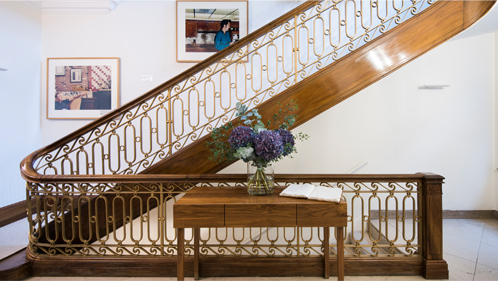
It's been five years since I had my first treatment at this practice. My original dentist retired, Geoff was highly skilled and just a brilliant dentist.I've seen Daniel Flynn for Endodontist work, again very precise and knowledgeable when it comes to redo root canals.Annie is now my primary dentist, and she is incredible, I've now overcome my fear of dentists. She is an expert in dentistry, and I would highly recommend her, if you have a fear of dental treatments.Millie my hygienist, is very thorough and makes you feel at ease. She also takes the time to explain good dental hygiene.All the equipment is high tech, and it's based in a lovely old building with windows all around, to let sunlight pour in.Reception team, you guys are so professional and friendly! See you soon 😊

Roger Fagg
10:33 10 Apr 26
I’ve been going to Gaynor Langley for my dentistry for 18 years now. She is truly an exceptional dentist. All of there staff that I have met over the years have been nothing short of amazing. They really care about patient wellbeing and the standard of dentistry and attention to detail is unbelievable. I wouldn’t go anywhere else and can only highly recommend here.

Amanda Trevor-Roberts
07:19 09 Apr 26
This is the best dental practice! I became a patient of 38 Devonshire Street a few years ago and it has given me back my smile and ensured that I have healthy gums and teeth! I am so grateful. Staff are professional and highly skilled but also genuinely friendly and caring. It is brilliant to be able to have such a range of experts in the one practice (general dentistry, orthodontics, periodontics,, hygienists etc) and benefit from state of the art equipment. I have recommended a number of friends to the practice and they are all equally impressed with its excellence. Thank you 38!!

Lorelei King
10:17 03 Mar 26
I have been seeing Dr. Gaynor Langley (and her amazing assistant Ruby) for many years, and can't recommend her enough. She’s an excellent dentist who truly cares about her patients and who takes a thoughtful, conservative approach to treatment. I very much appreciate the fact that she focuses on preserving natural teeth whenever possible, and that she has a wonderful aesthetic eye.The entire team at 38 Devonshire Street is pleasant, efficient, and organized, which makes every visit smooth and stress-free. As a plus, there are multiple specialists in the practice, so there is comprehensive, high-quality care all in one place.


Victor Prokofiev
20:57 26 Aug 21
I can't recommend Gaynor, Charlotte, Ruby and colleagues too highly. Extremely professional, friendly and client-oriented. So say nothing of the (huge) amount of investment they have ploughed into hygiene in general and anti-covid protection in particular. My favourite dental practice ever.

Debra Kahan
17:53 25 Aug 21
Friendly and professional dental practice, I really feel in safe hands, advice and treatments are exceptional. Very pleasedThank you


daniel j berman
17:19 05 Jun 21
A top notch dental practice, with wonderful client care and the best advice and treatment.

Veron Liburd
06:52 03 Jun 21
Very personable and a consistently super ‘clean’ experience—Frances is simply the best!

James Hansen
09:55 21 May 21
I cannot speak highly enough of my recent experience at this Practice. I'm extremely nervous of visiting the dentist and had neglected visiting for a good few year. My first visit to Charlotte was fantastic, I was put completely at ease and she and Faiza expertly explained what was being done and when which really helped. This experience has given me the confidence to push ahead with dental work for the future! I highly recommend if you are nervous or scared of the dentist, there is no need to be when visiting these guys!

Seh lynn
10:17 13 May 21
Best dental cleaning experience I have ever had. The mouth piece made of soft material the hygienist uses allows you to keep your mouth opened without too much stretch . The machine with warm water is perfect for sensitive teeth and the die to detect scale is genius.I recommend very highly!