Gingivitis is the earliest and mildest form of gum disease, and it is far more common than most people realise. At some point, many adults will develop it, often without being aware. The reassuring news is that, when caught early, gingivitis is completely reversible. Left untreated, however, it can progress into a more serious form of gum disease that becomes much harder to manage. Understanding what gingivitis is, why it develops and how it is treated puts you in the best position to stop it in its tracks.
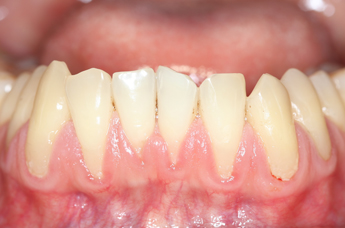
Gingivitis is inflammation of the gums, the soft tissue that surrounds and supports your teeth. It develops when plaque, a sticky film of bacteria, is allowed to build up around the gum line and is not removed thoroughly enough. The bacteria irritate the gum tissue, triggering the body’s natural inflammatory response. As a result, the gums become red, swollen and more likely to bleed.
The important distinction is that gingivitis affects only the gums. The bone and the fibres that anchor your teeth have not yet been damaged, which is why the condition is fully reversible with the right treatment. If gingivitis is left untreated, however, it can develop into periodontitis, a more advanced form of gum disease that damages the supporting bone around the teeth. While periodontitis can usually be stabilised, the damage it causes cannot be completely reversed.
The most common cause of gingivitis is the build-up of plaque on the teeth. Plaque forms continuously as bacteria combine with the sugars and starches in the food and drink we consume. If it is not removed through regular brushing and cleaning between the teeth, it gradually hardens into tartar, which provides an ideal surface for more bacteria to accumulate. As this buildup increases, inflammation develops within the gums.
Although plaque is the primary cause, several factors can increase your risk of developing gingivitis or make it more difficult for your gums to recover:
In most cases, gingivitis develops because plaque has not been removed effectively, with one or more of these additional factors increasing the likelihood of inflammation.
The signs of gingivitis are often subtle at first, which is one reason it can go unnoticed.
The most common symptoms include:
Many people notice a little blood when brushing and assume they have brushed too hard. In reality, healthy gums should not bleed during normal brushing or cleaning between the teeth. Bleeding is usually one of the earliest signs that the gums are inflamed.
One of the challenges with gingivitis is that it is often painless. Without discomfort to prompt action, the condition can easily be ignored until it has progressed further. That is why recognising these early warning signs is so important.
The good news is that gingivitis responds extremely well to treatment. In many straightforward cases, the gums can return to full health within a few weeks.
Treatment usually begins with a professional cleaning carried out by your dentist or hygienist. This removes the plaque and hardened tartar that cannot be removed by brushing alone, including deposits that may have accumulated just below the gum line. Once these irritants have been removed, the gums can begin healing.
The long-term success of treatment depends on the care you provide at home. Your dental team will demonstrate the most effective brushing and interdental cleaning techniques and help you identify any areas you are missing. Brushing twice a day with a fluoride toothpaste and cleaning between your teeth every day using interdental brushes, floss, or a water flosser helps prevent plaque from rebuilding. The most effective method is the one you will use consistently.
In some situations, your dentist may recommend a chlorhexidine or other antimicrobial mouthwash for a short period to help reduce inflammation. These products are intended as short-term support rather than long-term solutions, as prolonged use can cause tooth staining. If an underlying medical condition, such as poorly controlled diabetes, or a medication is contributing to the problem, addressing that is also an important part of successful treatment.
A review appointment is often arranged to ensure the inflammation has settled and your gums have returned to health.
Yes. Unlike more advanced forms of gum disease, gingivitis is completely reversible when treated promptly. Once plaque and tartar have been removed and good daily cleaning habits are established, the inflammation usually resolves, and the gums return to health.
The key is acting early. The longer inflammation is allowed to continue, the greater the risk that it will progress to periodontitis, where permanent damage to the supporting tissues of the teeth can occur.
Preventing gingivitis is generally straightforward and depends far more on consistency than perfection.
Brush twice a day for two minutes using a fluoride toothpaste, clean between your teeth every day, and attend regular dental examinations and hygiene appointments so that any early changes can be identified before they become more serious.
Reducing the frequency of sugary food and drinks also helps by limiting the fuel available to plaque bacteria. If you smoke, stopping is one of the most effective steps you can take to improve both your gum health and the success of any treatment you may need.
If your gums bleed regularly, appear red or swollen, or your breath has become persistently unpleasant, it is worth arranging an appointment rather than hoping the problem will disappear on its own. Gingivitis is easiest to treat in its earliest stages, and prompt treatment usually prevents it from progressing to periodontitis.
Healthy gums should be comfortable, firm and free from bleeding. If yours are telling you otherwise, it is worth listening.
Not sure what healthy gums should look like? Read our guide to What Do Healthy Gums Look Like and How to Maintain Them.
Back to treatments