Dental stability is an important concept in long-term oral health, yet it is not always widely understood. Many patients associate dentistry with treatment, whether that is fillings, repairs or addressing discomfort. However, the most successful outcomes in dentistry are often those where intervention becomes minimal because the mouth remains consistently healthy.
It describes a state in which the teeth and gums remain healthy, comfortable and free from active disease over time. It is achieved through a combination of effective daily habits, preventive care and regular professional support. Reaching this point allows dental care to focus less on treatment and more on maintaining what is already working well.
This refers to a balanced and healthy oral environment where there is little or no ongoing disease activity. In a stable mouth, teeth remain structurally sound, gums are healthy, and there is no active decay or progressing gum disease.
This does not happen suddenly. Dental stability develops gradually as consistent habits and professional care work together over time. Once established, it can be maintained with relatively simple, predictable routines.
For many patients, this stage brings a noticeable change. Dental appointments become routine and preventive, rather than reactive. The focus shifts from addressing problems to preserving long-term oral health.
Achieving stability depends on small, consistent actions carried out every day. These habits form the foundation of dental stabilisation and are essential for preventing disease.
Brushing twice daily for a full two minutes is fundamental. Using a high-quality electric toothbrush with a fluoride toothpaste helps remove plaque effectively while protecting enamel. Particular attention should be paid to the gumline, where plaque tends to accumulate.
Interdental cleaning is equally important. Floss or interdental brushes remove plaque from areas that a toothbrush cannot reach. This step is essential for preventing gum inflammation and decay between the teeth.
Plaque bacteria feed on sugars, producing acids that damage enamel. Being mindful of how often sugary foods and drinks are consumed, particularly between meals, reduces the risk of decay and supports a stable oral environment.
Routine dental and hygiene visits allow early identification of any changes. Small concerns can be managed before they develop into more complex problems. This proactive approach is central to dental stabilisation.
When dental stability is reached, the mouth becomes more predictable and easier to maintain. Teeth remain strong, gums are healthy, and there is an absence of ongoing inflammation or discomfort.
Appointments become less about treatment and more about monitoring and prevention. Professional care focuses on maintaining gum health, removing plaque and tartar, and ensuring that no new issues are developing.
This stage is beneficial not only for oral health but also for overall well-being. There is less disruption from dental problems, fewer unexpected treatments and greater confidence in the long-term condition of the teeth.
Dental stabilisation is not simply about avoiding treatment in the short term. It is about protecting the long-term structure and function of the teeth and supporting tissues.
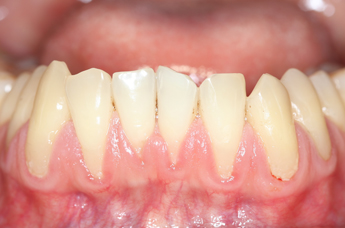
Without stability, small issues such as plaque build-up or early decay can progress unnoticed. Over time, this may lead to more complex treatment, including fillings, root canal procedures or tooth replacement.
By contrast, a stable mouth reduces the likelihood of these interventions. It allows care to remain conservative, preserving natural tooth structure wherever possible.
This approach aligns with established principles in preventative dentistry. Maintaining good oral hygiene and attending regular dental check-ups are key to preventing both tooth decay and gum disease.
While daily habits are essential, professional care plays a critical role in achieving and maintaining dental stability.
The timing of dental visits is not the same for every patient. Recall intervals are determined based on individual risk factors, including oral health history, lifestyle and disease susceptibility. Maintaining the recommended interval is important for preserving stability.
If appointments are delayed or missed, there is a greater risk that early signs of disease may go unnoticed. Over time, this can lead to a loss of dental stability and the need for more extensive treatment.
Even with excellent home care, plaque can harden into tartar, which cannot be removed through brushing alone. Regular hygiene appointments ensure these deposits are removed and help maintain healthy gums.
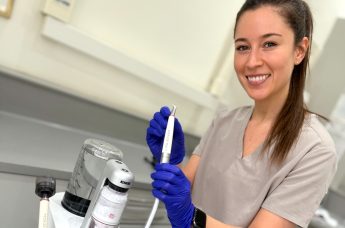
At 38 Devonshire Street, advanced techniques such as support gentle and effective plaque removal, contributing to long-term dental stabilisation.
Routine examinations allow the dental team to monitor subtle changes in the teeth and gums. Early signs of wear, decay or gum inflammation can be addressed promptly, preventing progression.
Dental stability is not a one-time achievement. It requires ongoing commitment and consistency. The habits that establish stability must be maintained to preserve it.
Planning future appointments can help ensure continuity of care. Keeping to a regular schedule reduces the likelihood of gaps in monitoring and supports long-term oral health.
Patients who maintain it often experience fewer dental issues, reduced treatment needs and greater confidence in their oral health. Over time, this contributes to a more comfortable and predictable dental experience.
The most effective dentistry is often the least invasive. When the teeth and gums are stable, treatment becomes less frequent and more focused on prevention.
Dental stability represents a partnership between patient and practice. Daily habits, supported by professional care, create an environment where the mouth remains healthy and resilient.
Maintaining this balance allows patients to protect their natural teeth, minimise disruption and support their oral health for the long term.
If you are unsure whether your oral health is stable or would like guidance on achieving dental stabilisation, a professional assessment can provide clarity and a tailored plan for maintaining your dental health.
Back to treatments